
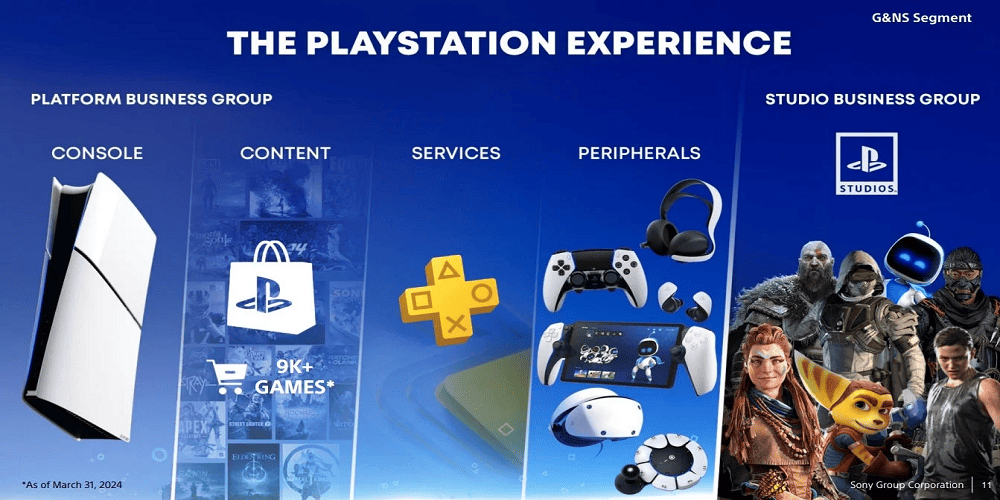
The Sony PlayStation platform business is one of the most powerful and influential segments in the global gaming industry. Over the last three decades, PlayStation has evolved from a simple gaming console into a massive digital ecosystem that includes hardware, software, online services, subscriptions, cloud gaming, and entertainment partnerships. Today, Sony’s PlayStation division plays a critical role in the company’s overall revenue, brand identity, and long-term growth strategy.
This article provides a detailed and in-depth analysis of the Sony PlayStation platform business, covering its history, business model, revenue streams, competitive positioning, digital transformation, challenges, and future roadmap.
Understanding the Sony PlayStation Platform Business
The Sony PlayStation platform business refers to Sony Interactive Entertainment’s complete gaming ecosystem. It is not limited to consoles alone but includes game development studios, third-party publishers, digital storefronts, online multiplayer services, cloud gaming, virtual reality, and subscription-based offerings.
Unlike traditional console models that depended heavily on one-time hardware sales, the modern Sony PlayStation platform business focuses on recurring revenue, user engagement, and long-term customer lifetime value.
Evolution of PlayStation as a Business Platform
Sony entered the gaming market in the mid-1990s with the launch of the original PlayStation. At the time, gaming was largely cartridge-based and hardware-focused. Sony changed the industry by introducing CD-based games, affordable development tools, and strong third-party relationships.
Over time, each PlayStation generation strengthened the platform business:
- PlayStation 1 and 2 established Sony as a market leader
- PlayStation 3 introduced online services and digital downloads
- PlayStation 4 expanded the digital ecosystem and subscription model
- PlayStation 5 focuses on high-performance gaming, digital sales, services, and platform expansion
The Sony PlayStation platform business today is no longer just about selling consoles; it is about building a scalable entertainment platform.
Core Components of the Sony PlayStation Platform Business
Hardware Sales
Console hardware remains the entry point for most users. PlayStation 5 sales drive initial adoption and bring users into the ecosystem. While hardware margins are often thin, the long-term value lies in software and services purchased by users after buying the console.
First-Party Game Studios
Sony owns a strong portfolio of first-party studios such as Naughty Dog, Santa Monica Studio, Insomniac Games, and Guerrilla Games. These studios produce exclusive titles that strengthen the Sony PlayStation platform business by attracting and retaining users.
Exclusive games increase console demand, boost digital sales, and enhance brand loyalty.
Third-Party Game Publishing
Third-party publishers are a major revenue driver. Sony earns a percentage of sales from games sold through the PlayStation Store. This includes full games, downloadable content, and in-game purchases.
The success of major franchises significantly impacts the Sony PlayStation platform business revenue.
Digital Storefront and Online Distribution
The PlayStation Store is a central pillar of the business. Digital game sales have overtaken physical copies in many regions. This shift improves margins, reduces distribution costs, and gives Sony greater control over pricing and promotions.
Digital distribution also supports long-term monetization through updates, expansions, and microtransactions.
Subscription Services and Recurring Revenue
PlayStation Plus
PlayStation Plus is one of the most important elements of the Sony PlayStation platform business. It provides online multiplayer access, monthly free games, cloud saves, and exclusive discounts.
Sony has expanded PlayStation Plus into multiple tiers, offering additional benefits such as a large game catalog and cloud streaming.
PlayStation Plus and Platform Stickiness
Subscriptions increase platform stickiness by keeping users engaged and invested in the ecosystem. Recurring revenue provides financial stability and predictable cash flow for Sony.
This subscription-based model aligns the Sony PlayStation platform business with broader trends in digital entertainment.
Cloud Gaming and Streaming Strategy
Cloud gaming is a growing focus area. Sony has invested heavily in streaming technology to allow users to play games without downloading them fully or even owning high-end hardware.
Cloud services expand the Sony PlayStation platform business beyond traditional consoles and open new markets, especially in regions where console adoption is limited by cost.
While cloud gaming faces infrastructure and latency challenges, Sony views it as a long-term strategic pillar.
Role of PlayStation VR in the Platform Business
Virtual reality is another expansion area. PlayStation VR and PlayStation VR2 aim to create immersive gaming experiences while remaining accessible to console users.
Although VR is still a niche market, it strengthens the Sony PlayStation platform business by diversifying content offerings and positioning Sony as an innovation leader.
Monetization Strategies within the Platform
The Sony PlayStation platform business uses multiple monetization methods:
- Full game sales
- Downloadable content and expansions
- Microtransactions and in-game purchases
- Subscription fees
- Advertising partnerships
- Licensing and merchandise
This diversified revenue model reduces dependence on any single income source.
Data, Analytics, and User Engagement
User data plays a critical role in decision-making. Sony analyzes player behavior to optimize content recommendations, pricing strategies, and game development priorities.
Engagement metrics such as playtime, retention, and spending habits directly influence the success of the Sony PlayStation platform business.
Competitive Landscape
The gaming industry is highly competitive, with major players investing aggressively in content, technology, and services.
Key competitors include:
- Console-based rivals
- PC gaming ecosystems
- Mobile gaming platforms
- Cloud-based gaming services
Sony differentiates itself through exclusive content, strong brand loyalty, and a balanced approach between hardware and services.
Challenges Facing the Sony PlayStation Platform Business
Despite its success, the platform faces several challenges:
Rising Development Costs
AAA game development has become increasingly expensive. Long production cycles and high expectations put pressure on profitability.
Supply Chain Constraints
Hardware availability can impact adoption rates and revenue growth.
Regulatory and Market Risks
Different regions have varying regulations related to digital content, payments, and data privacy.
Shifting Consumer Preferences
Mobile gaming and free-to-play models continue to reshape user behavior.
Sony must continuously adapt to maintain the strength of the Sony PlayStation platform business.
Expansion Beyond Consoles
Sony has begun expanding its games to PC platforms. This strategy allows the company to reach new audiences without undermining console exclusivity.
This measured expansion supports revenue growth while maintaining the core value of the Sony PlayStation platform business.
Role of Acquisitions and Partnerships
Sony actively acquires studios and forms partnerships to strengthen content pipelines and technological capabilities.
Strategic acquisitions enhance creative diversity and reduce reliance on third-party publishers.
Financial Importance to Sony Corporation
The Sony PlayStation platform business is one of Sony’s most profitable segments. It contributes significantly to operating income and global brand recognition.
Gaming revenue helps balance fluctuations in other Sony divisions such as electronics and entertainment.
Long-Term Vision and Future Roadmap
Sony’s long-term vision includes:
- Stronger integration of cloud gaming
- Expansion of subscription services
- Growth in emerging markets
- Cross-platform experiences
- Deeper use of AI and personalization
The Sony PlayStation platform business is expected to evolve into a broader digital entertainment platform rather than a console-centric model.
Impact on the Global Gaming Industry
Sony’s strategies influence industry standards, pricing models, and content expectations. The success of the Sony PlayStation platform business sets benchmarks for competitors and developers worldwide.
Why the Sony PlayStation Platform Business Remains Strong
Several factors explain its continued strength:
- Strong intellectual property portfolio
- Loyal global user base
- Balanced focus on quality and profitability
- Continuous innovation without overexpansion
These strengths position Sony well for future industry shifts.
FAQs: Sony PlayStation Platform Business
What is the Sony PlayStation platform business?
The Sony PlayStation platform business refers to Sony’s complete gaming ecosystem, including consoles, digital stores, subscription services, game studios, online services, and cloud gaming offerings.
How does Sony make money from the PlayStation platform?
Sony earns revenue through console sales, game sales, subscriptions, digital downloads, in-game purchases, licensing fees, and partnerships.
Why are exclusive games important to the Sony PlayStation platform business?
Exclusive games attract users to the platform, increase console sales, and drive long-term engagement within the ecosystem.
Is the Sony PlayStation platform business shifting away from consoles?
While consoles remain important, Sony is expanding into services, subscriptions, PC releases, and cloud gaming to diversify revenue sources.
How important is PlayStation Plus to Sony’s business model?
PlayStation Plus is a key source of recurring revenue and user retention, making it a core pillar of the Sony PlayStation platform business.
What challenges does the PlayStation business face?
Major challenges include rising development costs, competition from other platforms, supply chain issues, and changing consumer preferences.
What is the future of the Sony PlayStation platform business?
The future includes stronger digital integration, expanded subscriptions, cloud gaming growth, global market expansion, and deeper user engagement.
Conclusion
The Sony PlayStation platform business represents a mature, resilient, and forward-looking gaming ecosystem. By combining premium hardware, exclusive content, digital services, and recurring revenue models, Sony has built a platform that goes far beyond traditional gaming.
As the industry continues to evolve, Sony’s balanced approach between innovation and stability positions the PlayStation platform as a long-term leader in interactive entertainment. With strategic investments, expanding services, and a loyal global audience, the Sony PlayStation platform business is set to remain a cornerstone of the gaming world for years to come.
Leave A Comment
0 Comment